What Is Play Therapy?
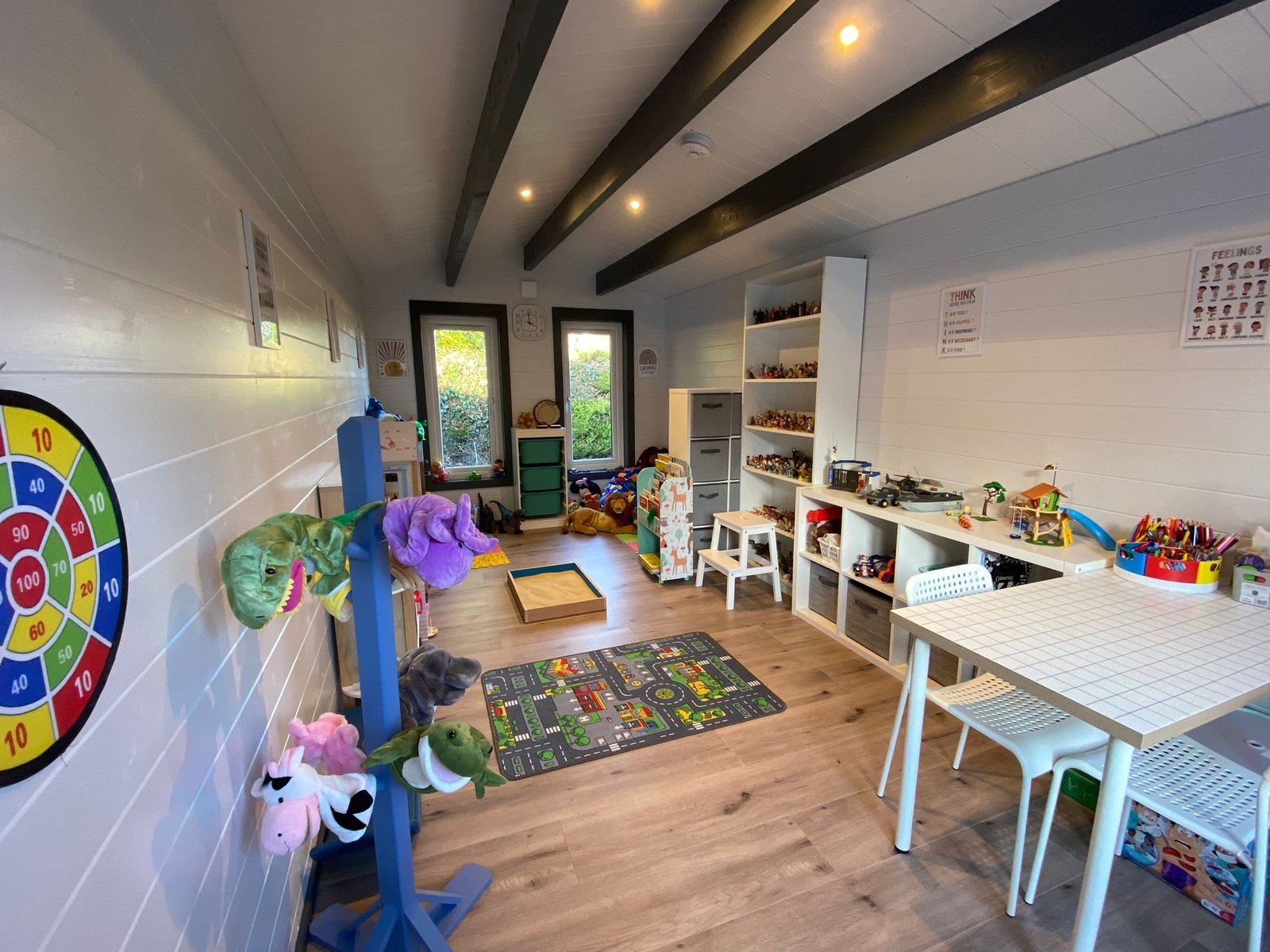
Play therapy is an evidence based therapeutic process, helping children to help themselves. It is a safe space where children can express themselves and work through difficulties using their natural language of communication – PLAY.
Unlike traditional talk therapy, which can be a challenge particularly for younger children, play therapy allows children to communicate at their own level and at their own pace. This offers a unique and effective approach to children’s healing and growth, helping them to navigate different emotions, build resilience and confidence levels.
Children often have difficulty explaining how they are feeling and why. At times, it can be challenging for them to identify and express complex emotions. Play therapy offers children the opportunity to ‘play out’ their feelings, explore concerns, difficult emotions and experiences at a conscious/unconscious level.
Play therapy occurs in a safe, supportive and non-judgmental environment, with the support and acceptance of the play therapist, who focuses on establishing a positive rapport and therapeutic relationship with each child. This relationship is paramount for the child to experience therapeutic benefit from the play therapy process.
Play therapy can involve a range of resources, including use of art, clay, storytelling, creative visualization, puppets, drama/ role play, slime, music and sand tray etc. Sometimes play therapy can also involve messy play, so please be aware of this!